When it comes to choosing a roofing material that combines durability, aesthetics, and energy efficiency, tile roofstile roofs stand out as a remarkable option. Their unique charm and versatility have made them a popular choice for homeowners and builders alike, transcending geographical boundaries and architectural styles. Additionally, the right roofing can enhance the performance of an HVAC unit by improving insulation and energy efficiency. In this article, we delve into the fascinating world of stand out as a remarkable option. Their unique charm and versatility have made them a popular choice for homeowners and builders alike, transcending geographical boundaries and architectural styles. Additionally, the right roofing can enhance the performance of an HVAC unit by improving insulation and energy efficiency. In this article, we delve into the fascinating world of different types of tile roofs, exploring their rich history, diverse materials, and distinct characteristics that cater to various climates and preferences. From the classic appeal of clay tiles that evoke a sense of Mediterranean elegance to the modern advancements in concrete and slate tiles, each type offers its own set of benefits and challenges. , exploring their rich history, diverse materials, and distinct characteristics that cater to various climates and preferences. From the classic appeal of clay tiles that evoke a sense of Mediterranean elegance to the modern advancements in concrete and slate tiles, each type offers its own set of benefits and challenges.
As you embark on this journey with us, you will discover how tile roofs not only enhance the visual appeal of your home but also provide exceptional protection against the elements. Join us as we uncover the intricate details of these roofing systems, helping you make an informed decision for your next roofing project. Whether you're a homeowner considering a renovation or a builder looking to expand your knowledge, this comprehensive exploration of tile roofs will equip you with the insights needed to appreciate their diversity and functionality. Tile roofing is a popular choice among homeowners due to its aesthetic appeal, durability, and energy efficiency.
Different types of tile roofs
offer unique characteristics that cater to various architectural styles and personal preferences. Among the most common types are clay tiles, concrete tiles, and slate tiles, each with its own set of advantages and potential drawbacks.Clay tiles
are known for their traditional look and longevity.Made from natural clay, these tiles are baked at high temperatures, resulting in a hard, durable product that can last over 100 years with proper care. They are available in various colors and shapes, allowing homeowners to create a customized appearance. However, clay tiles can be heavy, requiring a sturdy roof structure to support their weight. Additionally, they can be more expensive than other materials, both in terms of initial purchase and installation costs.
Concrete tiles
, on the other hand, are a more affordable alternative to clay.They are made from a mixture of sand, cement, and water, which can be molded into various shapes and colors. Concrete tiles are also heavy but provide excellent durability and resistance to harsh weather conditions. One drawback is that they may not have the same aesthetic appeal as clay tiles, though they can mimic their appearance. Maintenance for concrete tiles typically involves regular inspections for cracks or algae growth, as these can compromise the roof's integrity.
Slate tiles
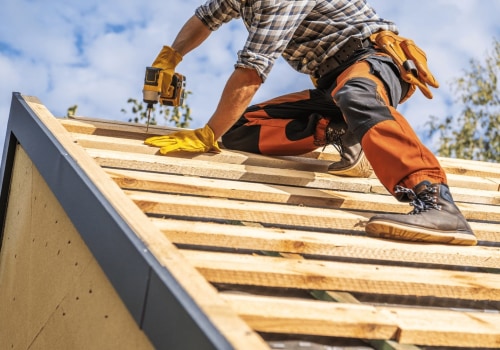
offer a luxurious option for those looking for elegance and longevity.Natural slate is incredibly durable and can last up to 200 years. These tiles are fire-resistant, do not absorb water, and have excellent insulation properties. However, slate roofs require skilled installation due to the weight of the material and the precision needed during placement. The cost of slate roofing can be significantly higher than both clay and concrete options, making it essential for homeowners to budget accordingly. When considering installation for any type of tile roof, it is crucial to have the right skills and tools.
Basic roofing knowledge is necessary for all types, while specialized tools like a tile cutter and appropriate safety gear are essential for handling heavier materials like slate. Homeowners should also consider hiring professionals experienced with tile roofs to ensure proper installation and avoid future issues. Maintenance varies by tile type but generally includes regular inspections to check for loose or broken tiles. For clay tiles, homeowners should look for cracks or chips that could lead to leaks.
Concrete tiles
may develop algae or moss growth due to moisture retention; cleaning these regularly can prevent damage.Slate roofs should be inspected for loose or missing pieces that could expose the underlayment to the elements. Cost estimates for tile roofs can vary widely depending on material choice, labor costs in your area, and roof size. Clay tiles typically range from $7 to $15 per square foot installed, while concrete tiles range from $5 to $10 per square foot. Slate can be significantly more expensive, often costing between $10 and $30 per square foot installed. Homeowners should factor in both material costs and labor when budgeting for their roofing project. Finding reliable contractors specializing in tile roofing is essential for ensuring a successful project.
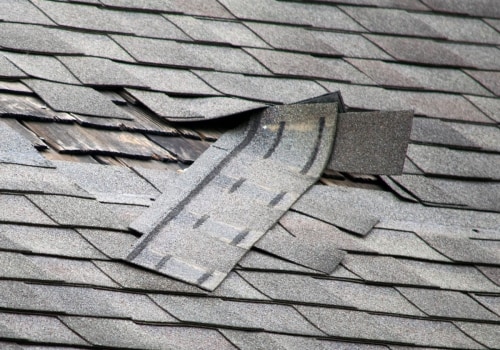
Start by asking for recommendations from friends or family who have had similar work done. Online reviews can also provide insights into contractors’ reputations. When interviewing potential contractors, ask about their experience with tile roofing specifically, request references from previous clients, and inquire about warranties on both materials and workmanship. Lastly, inspecting tile roofs for damage or wear is crucial in maintaining their longevity. Key indicators include missing or broken tiles, signs of water damage inside the home, or sagging areas on the roof itself.
Homeowners should conduct regular visual inspections and consider hiring a professional every few years to ensure their roof remains in optimal condition. In conclusion, understanding the differing types of tile roofs, their benefits and drawbacks, installation requirements, maintenance needs, costs, contractor selection process, and inspection techniques will empower homeowners to make informed decisions about their roofing options.
Roof Inspection Tips
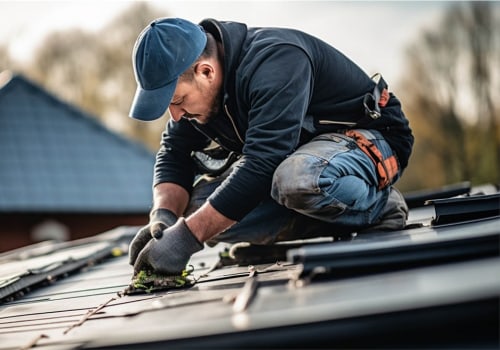
Inspecting your tile roof regularly is crucial to maintaining its integrity and ensuring its longevity. Homeowners should conduct visual inspections at least twice a year, ideally in the spring and fall, to catch any potential issues early. Start by looking for missing, cracked, or broken tiles that may compromise the roof's protective barrier. Another important aspect of your inspection is checking for signs of wear around the flashing, which is the material used to seal joints and prevent leaks. Look for rusted or damaged flashing, as these can lead to significant water damage if not addressed promptly.Additionally, pay attention to any debris accumulation, such as leaves or branches, which can trap moisture and lead to mold or mildew growth. While a thorough visual inspection can reveal many issues, some problems may not be visible from the ground. If you notice any signs of leakage inside your home, such as water stains on ceilings or walls, it’s essential to call a professional for a more thorough evaluation. A roofing expert can provide a comprehensive inspection and identify any underlying problems that may not be immediately apparent. In conclusion, maintaining your tile roof requires regular inspections and prompt action when issues arise. If you’re uncertain about the condition of your roof or if repairs are needed, contacting a professional can help ensure that your roof remains in optimal condition.
Concrete Tile Roofs
Concrete tile roofs are renowned for their exceptional durability, making them a popular choice among homeowners looking for long-lasting roofing solutions.Unlike traditional roofing materials, concrete tiles can withstand extreme weather conditions, including heavy rain, hail, and high winds. This resilience means that homeowners can enjoy peace of mind knowing their roof is built to last, often with lifespans exceeding 50 years. One of the key advantages of concrete tiles is their versatility in design. Available in a variety of styles, colors, and textures, concrete tiles can mimic the appearance of traditional clay tiles, slate, or even wood shakes. This flexibility allows homeowners to select a roofing option that complements their property's architectural style while enhancing its curb appeal. The installation of concrete tile roofs requires careful attention to detail to ensure optimal performance.
It is recommended that installation be carried out by experienced professionals who understand the specific requirements associated with these heavy tiles. Proper underlayment and ventilation are essential to prevent moisture buildup and ensure longevity. While upkeep requirements for concrete tile roofs are relatively low, regular inspections and maintenance are still necessary to preserve their condition. Homeowners should keep an eye out for any broken or cracked tiles and replace them promptly to avoid potential leaks. Additionally, periodic cleaning can help remove debris and moss buildup, maintaining the roof's aesthetic appeal. In conclusion, concrete tile roofs offer a blend of durability, design versatility, and low maintenance needs, making them an excellent choice for homeowners seeking a reliable and attractive roofing option.
Clay Tile Roofs
Clay tile roofs are renowned for their timeless beauty and durability, making them a popular choice among homeowners.Crafted from natural clay, these tiles are baked at high temperatures to create a strong and resilient roofing material that can withstand harsh weather conditions. One of the primary properties of clay tiles is their ability to reflect sunlight, which helps in maintaining cooler indoor temperatures during hot months. This energy efficiency not only contributes to a more comfortable living environment but can also lead to lower energy bills. The installation process of clay tile roofs requires meticulous attention to detail. Professional roofing contractors typically handle this process, as it involves laying tiles in overlapping rows to ensure proper water drainage and prevent leaks. The weight of clay tiles also necessitates a robust roof structure, which may require reinforcement during installation. Maintenance for clay tile roofs is relatively low compared to other roofing materials.
Regular inspections for moss or debris accumulation, along with periodic cleaning, can help prolong the lifespan of the roof. It is essential to ensure that any cracked or broken tiles are replaced promptly to maintain the integrity of the roof. In terms of cost implications, clay tile roofs typically have a higher initial cost than asphalt shingles. However, their long lifespan—often exceeding 50 years—combined with their low maintenance needs makes them a worthwhile investment in the long run. Homeowners can expect to pay between $700 and $1,000 per square (100 square feet) for installation, depending on various factors including location and roof complexity.
Finding Contractors
When it comes to installing or repairing tile roofs, selecting the right contractor is crucial for ensuring quality workmanship and longevity of your roofing investment.Here are some essential tips to help you find reliable roofing contractors with expertise in tile roofs.Start by seeking recommendations from friends, family, or neighbors who have recently had tile roofing work done. Personal referrals can provide valuable insights into a contractor's reliability and quality of work. Once you have a list of potential contractors, check their credentials. Ensure they are licensed and insured, which protects you from any liabilities during the project. Additionally, look for contractors who specialize in tile roofing, as they will have the necessary experience and skills. It’s important to ask potential contractors specific questions to gauge their expertise.
Inquire about their experience with tile roofs, the types of materials they recommend, and the installation techniques they use. A knowledgeable contractor should be able to explain the benefits of different tile materials, such as clay, concrete, or slate. Request references from past clients and take the time to follow up on them. Ask about their overall satisfaction with the contractor’s work, adherence to timelines, and how the contractor handled any issues that arose during the project. Lastly, obtain detailed written estimates from multiple contractors. This will not only help you compare prices but also give you insight into each contractor's approach to the project.
Look for transparency in pricing and ensure that all aspects of the project are covered in the estimate. By carefully selecting a qualified contractor for your tile roofing needs, you can ensure that your roof will be both beautiful and durable for years to come.
Slate Tile Roofs
Slate tiles are revered for their stunning elegance and timeless appeal. These natural stones are available in a variety of colors, adding a unique aesthetic charm to any property. The rich texture and natural variations inherent in slate tiles create a sophisticated appearance that can elevate the visual appeal of a home. One of the most significant advantages of slate tile roofs is their incredible longevity. When properly installed, slate roofs can last over a century, making them one of the most durable roofing options available.This longevity translates to less frequent replacements, ultimately making them a wise investment for homeowners. However, the installation of slate tiles can be complex and requires skilled professionals. The weight of slate necessitates proper structural support, and the installation process demands precision to ensure water resistance and durability. Homeowners should consult with experienced roofing contractors who specialize in slate to ensure that their roof is installed correctly. Maintenance for slate roofs is relatively straightforward but requires periodic inspections. Homeowners should check for any cracked or broken tiles and address these issues promptly to prevent water leaks.
Regular cleaning to remove moss or debris can also help maintain the roof's appearance and integrity. When considering pricing, it's important to note that slate tile roofs are often on the higher end of the spectrum due to the material's quality and the complexity of installation. However, given their lifespan and minimal maintenance needs, many homeowners find them to be a cost-effective solution in the long run. In conclusion, slate tile roofs offer a blend of elegance, durability, and energy efficiency that makes them an appealing choice for any homeowner looking to enhance their property value while enjoying a beautiful and long-lasting roofing option.
Comparative Analysis
When considering different types of tile roofs, it is essential to evaluate them based on several key factors: durability, cost-effectiveness, aesthetic appeal, and energy efficiency. This comparative analysis will help homeowners make an informed decision.Durability
is one of the primary advantages of tile roofs. Clay and concrete tiles are known for their longevity, often lasting over 50 years with proper maintenance.In contrast, slate tiles can last even longer, sometimes up to 100 years. However, asphalt shingles, while less expensive upfront, typically have a lifespan of only 15 to 30 years. Therefore, when prioritizing durability, clay and slate tiles emerge as the superior options. Cost-effectiveness is another critical aspect to consider. While the initial installation cost of tile roofs can be higher compared to asphalt shingles, their longevity and low maintenance requirements often lead to lower long-term costs.
Clay and concrete tiles may have a higher upfront expense, but their durability can offset these costs over time. In contrast, asphalt shingles may require more frequent replacements, making them less cost-effective in the long run. Aesthetic appeal is subjective but plays a significant role in choosing roofing materials. Tile roofs offer a classic and elegant look that enhances the overall curb appeal of a home. Clay tiles provide a warm, earthy tone, while concrete tiles can mimic the appearance of natural materials, offering versatility in design.
Slate roofs are often considered the pinnacle of aesthetic appeal due to their unique textures and colors. On the other hand, asphalt shingles come in various styles but may not provide the same timeless elegance that tile roofs offer. Lastly, energy efficiency is increasingly important for homeowners looking to reduce their environmental impact and energy bills.
Tile roofs
, particularly clay and concrete options, are known for their ability to reflect sunlight and insulate homes effectively. This characteristic helps keep homes cooler in the summer and warmer in the winter, contributing to lower energy costs.Asphalt shingles generally do not offer the same level of energy efficiency and may lead to higher heating and cooling expenses. In summary, when comparing different types of tile roofs, it is clear that clay and slate tiles excel in durability and aesthetic appeal, while also providing significant energy efficiency benefits. Although they may come with a higher initial cost, their long-term advantages make them a worthwhile investment for homeowners. In conclusion, tile roofs offer a variety of benefits that make them an attractive option for homeowners. From the classic charm of clay tile roofs to the modern appeal of concrete tile roofs and the luxurious look of slate tile roofs, each type brings its unique advantages. These roofs are known for their aesthetic appeal, exceptional durability, and energy efficiency, making them a smart choice for enhancing property value. As you consider your roofing options, it's crucial to weigh your specific needs and preferences carefully.
Factors such as climate, budget, and style should guide your decision-making process. Additionally, remember that professional installation is key to ensuring the longevity of your chosen roof. Regular maintenance will also play a significant role in preserving the beauty and functionality of your tile roof.Overall, investing in a tile roof can provide lasting benefits that go beyond mere aesthetics, and with the right approach, you can enjoy a beautiful and resilient roof for many years to come.