When it comes to selecting the best roofing materialsselecting the best roofing materials for your home, the choices can be overwhelming. With a plethora of options available, each with their unique benefits and drawbacks, how do you determine which materials will best protect your investment and enhance your home’s aesthetic appeal? This decision is not just about style; it involves understanding the various factors that influence the longevity, durability, and performance of your roof, as well as mitigating risk associated with potential damage and maintenance costs. The roof is your home’s first line of defense against the elements, and choosing the right materials is crucial for ensuring that it withstands harsh weather conditions while maintaining energy efficiency. From traditional asphalt shingles to modern metal roofing, each material carries its own set of characteristics that can dramatically affect the overall look and feel of your home. for your home, the choices can be overwhelming. With a plethora of options available, each with their unique benefits and drawbacks, how do you determine which materials will best protect your investment and enhance your home’s aesthetic appeal? This decision is not just about style; it involves understanding the various factors that influence the longevity, durability, and performance of your roof, as well as mitigating risk associated with potential damage and maintenance costs. The roof is your home’s first line of defense against the elements, and choosing the right materials is crucial for ensuring that it withstands harsh weather conditions while maintaining energy efficiency. From traditional asphalt shingles to modern metal roofing, each material carries its own set of characteristics that can dramatically affect the overall look and feel of your home.
In this article, we will delve into the essential aspects of choosing the right materials, guiding you through the pros and cons of each option. Whether you are building a new home or considering a roof replacement, knowing what factors to consider will empower you to make an informed decision. Join us as we explore the critical elements that should influence your choice in roofing materials, helping you create a protective covering that complements your home beautifully.
Choosing the right materials
for your roofing project is crucial, as the type of materials you select will significantly impact your home's durability, aesthetics, and energy efficiency. There are various types of roofing materials available, including asphalt shingles, metal roofing, tile, and slate.Each material comes with its own set of pros and cons, making it essential to consider your specific needs and circumstances.
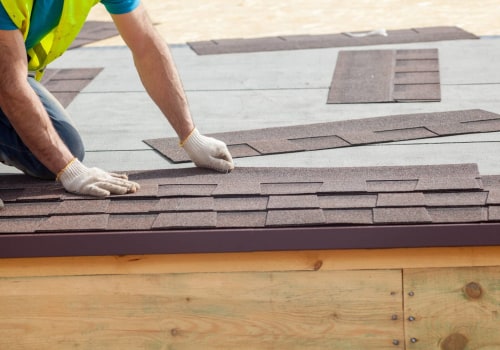
Asphalt shingles
are one of the most popular roofing materials due to their affordability and ease of installation. They come in a variety of colors and styles, allowing homeowners to customize their roofs. On the downside, they have a shorter lifespan, typically lasting 15 to 30 years, and can be less durable in extreme weather conditions. Maintenance involves regular inspections for curling or missing shingles, especially after severe storms.Metal roofing
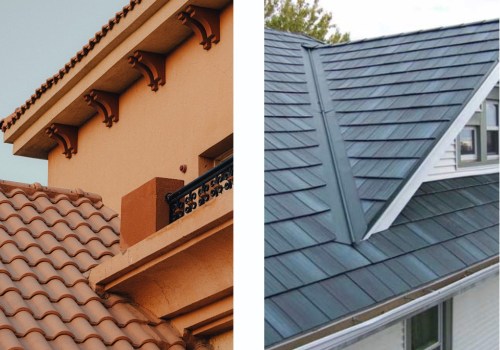
is gaining popularity because of its longevity, often lasting 40 to 70 years.It is highly resistant to extreme weather and can reflect heat, which enhances energy efficiency. However, the initial cost can be higher than asphalt shingles, and installation requires experienced professionals to ensure proper sealing and fastening. Regular maintenance includes checking for rust or dents and ensuring that seams remain tight.
Tile
roofing is renowned for its durability and aesthetic appeal. It can last over 50 years and comes in various styles, including clay and concrete tiles.While tile roofs are highly resistant to fire and rot, they are also heavy, which may require additional structural support during installation. The cost is higher than both asphalt shingles and metal roofing, but the longevity often offsets this expense. Maintenance primarily involves inspecting for cracked or broken tiles that need replacement.
Slate
roofing is considered one of the most upscale options available. With a lifespan exceeding 75 years when installed correctly, slate offers exceptional durability and beauty.However, it is one of the most expensive roofing materials and requires specialized installation due to its weight and fragility. Regular maintenance includes inspecting for broken slates or deteriorating mortar in joints. When installing or repairing these materials, it's essential to follow best practices specific to each type. For asphalt shingles, ensure proper ventilation in the attic to prevent moisture buildup. For metal roofing, always use corrosion-resistant screws and sealants.
When working with tile, it’s important to use a heavy-duty underlayment to support the weight, while for slate, a skilled installer should manage the alignment and securing of each piece properly to avoid future leaks. General maintenance tips can help prolong the life of your roof regardless of the material chosen. Regularly clear debris from gutters and valleys to prevent water pooling, which can lead to leaks. Inspect flashing around chimneys and vents for signs of wear or gaps that may need sealing. In addition, consider scheduling professional inspections every few years to catch potential issues early. Cost estimates can vary significantly based on material type.
Asphalt shingles typically range from $90 to $100 per square (a square equals 100 square feet), while metal roofing can cost between $300 and $800 per square depending on the type of metal used. Tile roofs generally range from $300 to $500 per square, and slate can be the most expensive at $600 to $1,500 per square. These estimates should help you budget effectively for your roofing project. Finding reliable contractors is essential for a successful roofing installation. Start by seeking recommendations from friends or family or checking online reviews on local services. Asphalt shingles typically range from $90 to $100 per square (a square equals 100 square feet), while metal roofing can cost between $300 and $800 per square depending on the type of metal used. Tile roofs generally range from $300 to $500 per square, and slate can be the most expensive at $600 to $1,500 per square. These estimates should help you budget effectively for your roofing project. Finding reliable contractors is essential for a successful roofing installation. Start by seeking recommendations from friends or family or checking online reviews on local services.
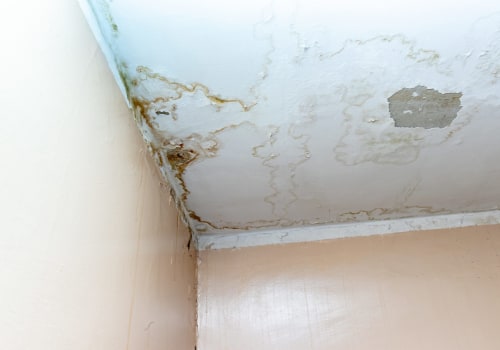
When interviewing potential contractors, ask about their experience with your chosen material type, request references from previous clients, inquire about warranties offered on both materials and workmanship, and ensure they are licensed and insured. It’s also vital to know how to inspect your roof for damage or wear over time. Look for missing or damaged shingles, rust spots on metal roofs, cracked tiles or slates, and any signs of sagging or unevenness in your roofline. Inside your home, check ceilings for water stains or mold growth that may indicate leaks. By being proactive in your inspection process, you can address issues before they escalate into more significant problems.
Inspecting Your Roof
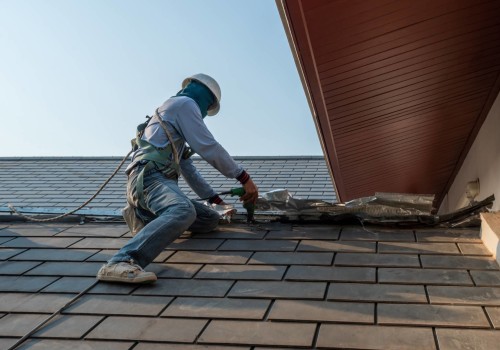
Inspecting your roof is a crucial step in ensuring that your home remains protected from the elements.Choosing the right materials is important, but regular inspections help maintain the integrity of those materials over time. Start by examining the roof from the ground with binoculars or a camera to get a clear view of any visible damage. Look for signs of wear such as missing shingles, cracked tiles, or rusted metal panels. These issues can compromise the effectiveness of your roofing materials and lead to leaks or other serious problems. Pay attention to the edges and valleys of the roof, as these areas are particularly susceptible to damage. If you notice any issues during your inspection, it is essential to assess whether they require immediate attention.
Minor wear might be manageable with simple repairs, but significant damage could necessitate a professional evaluation.
When to call a professional
includes instances where you see widespread damage, multiple missing shingles, or if your roof is over 20 years old and showing signs of deterioration. In addition to visual inspections, consider scheduling a professional assessment every few years, especially if your roof has been exposed to severe weather conditions. A qualified roofing contractor can provide an in-depth evaluation and recommend appropriate maintenance or repairs to extend the lifespan of your roofing materials.Cost Considerations
When selecting the right roofing materials, one of the most important factors to consider is the cost. Different types of roofing materials come with varying price ranges, and understanding these differences can help you make an informed decision that fits your budget.Asphalt shingles
are among the most popular roofing materials due to their affordability, typically ranging from $90 to $100 per square (100 square feet).On the other hand, metal roofing offers durability and longevity but can be more expensive, with costs ranging from $300 to $700 per square. For those seeking a more luxurious option, slate tiles can cost anywhere from $600 to $1,500 per square, making them one of the priciest choices. Additionally, various factors influence the overall cost of roofing materials. The complexity of your roof's design, local labor rates, and additional features such as insulation or ventilation systems can all contribute to the final price. It's essential to consider not just the initial material cost but also the long-term investment in terms of durability and maintenance. Ultimately, selecting the right roofing materials should strike a balance between your budget and your home's requirements. can cost anywhere from $600 to $1,500 per square, making them one of the priciest choices. Additionally, various factors influence the overall cost of roofing materials. The complexity of your roof's design, local labor rates, and additional features such as insulation or ventilation systems can all contribute to the final price. It's essential to consider not just the initial material cost but also the long-term investment in terms of durability and maintenance. Ultimately, selecting the right roofing materials should strike a balance between your budget and your home's requirements.
By understanding the price ranges and factors affecting costs, you can choose materials that enhance both the aesthetic appeal and functionality of your roof while staying within your financial means.
Installation Tips
When it comes to installing your roofing materials, following proper procedures is crucial for ensuring longevity and effectiveness. Here are some practical tips for installing various roofing materials:Asphalt Shingles: Start by laying down a moisture barrier to protect against leaks. Ensure that you stagger the seams of each row to avoid water penetration. Use roofing nails specifically designed for asphalt shingles, and make sure to secure each shingle with at least four nails to withstand strong winds.Metal Roofing:
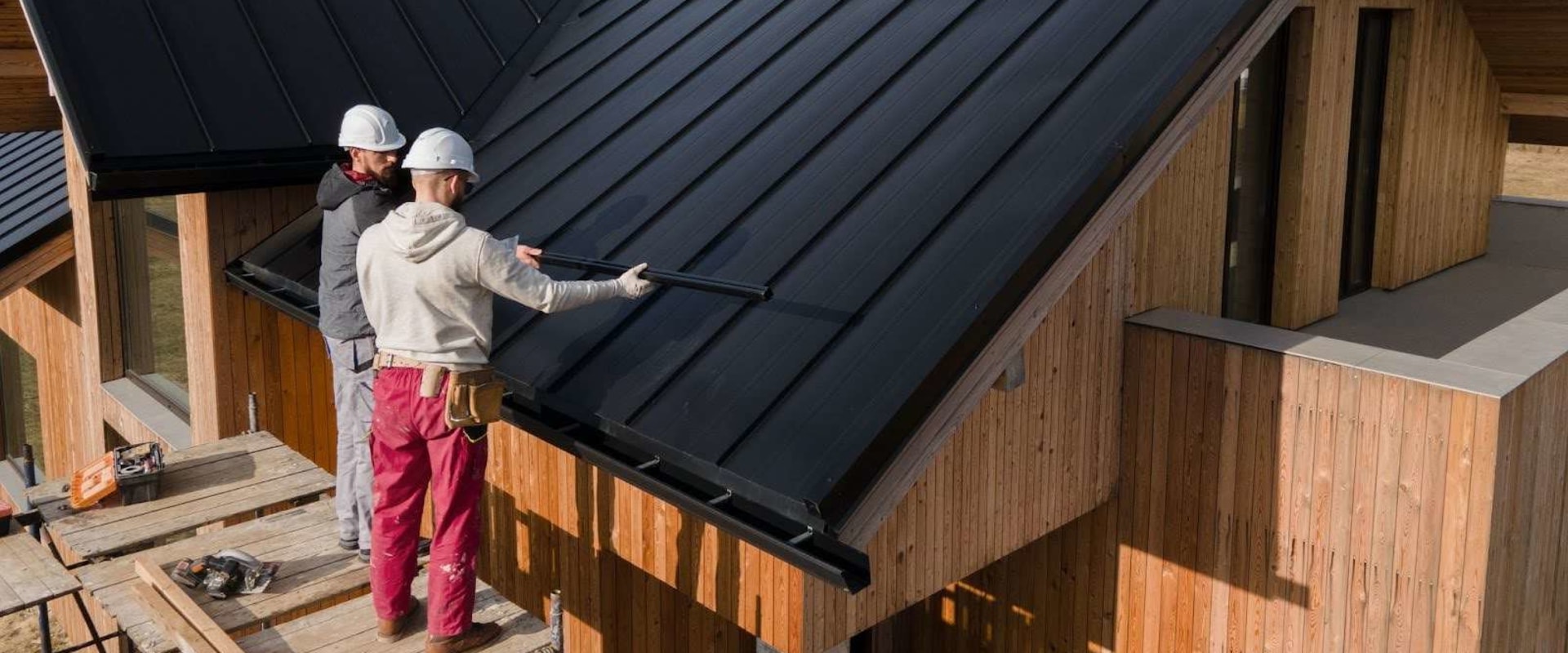
Begin by laying down a solid underlayment to provide insulation and moisture protection.When installing metal panels, overlap them correctly and use screws with rubber washers to prevent leaks. It's essential to leave space for expansion and contraction; therefore, avoid over-tightening screws.
Tile Roofing:
Make sure your roof structure can support the weight of tile. Install a durable underlayment before placing tiles and ensure proper alignment. Use tile hooks or clips as needed and secure them with appropriate fasteners to prevent movement during high winds.Wood Shakes:
Choose high-quality wood shakes and treat them with a preservative to enhance durability.Install the shakes starting from the bottom of the roof, overlapping each row adequately. Use stainless steel nails to prevent rust and ensure a secure fit. Regardless of the material you choose, always follow the manufacturer’s installation guidelines carefully. This will not only guarantee optimal performance but also maintain warranty coverage for your roofing materials.
Maintenance Advice
Proper maintenance is essential to ensure the longevity and performance of your roof. Regular upkeep not only protects your investment but also enhances the overall aesthetics of your home.Here are some key maintenance tasks to keep your roof in good condition:Inspect Your Roof Regularly: Conduct visual inspections at least twice a year, ideally in the spring and fall. Look for signs of damage such as missing shingles, cracked tiles, or rust spots on metal roofs.
Clean Gutters and Downspouts:
Ensure that gutters and downspouts are free from debris. Clogged gutters can lead to water pooling on the roof, which increases the risk of leaks and structural damage.Trim Overhanging Branches:
If you have trees near your home, regularly trim branches that hang over the roof. This will prevent branches from scratching the roof surface and reduce the risk of falling debris during storms.Check for Moss and Algae Growth:
In humid environments, roofs can develop moss or algae.These can trap moisture and lead to deterioration. Use a gentle cleaning solution to remove any growth without damaging the roofing material.
Seal Leaks Promptly:
If you notice any leaks or water stains inside your home, address them immediately. Small leaks can quickly escalate into larger issues if not handled promptly.Schedule Professional Inspections:
Consider hiring a professional roofing contractor for a thorough inspection every few years. They can identify potential problems that may not be visible to the untrained eye.Maintain Flashing and Seals:
Check the flashing around chimneys, vents, and skylights.Ensure that seals are intact and replace any damaged flashing to prevent water intrusion. By following these maintenance tips, you can extend the life of your roof and ensure it continues to protect your home effectively.
Finding a Reliable Contractor
Choosing a trustworthy contractor is a critical step in the roofing process. The right professional can ensure that your roofing project is completed efficiently and to a high standard. Here are some essential tips for selecting a reliable roofing contractor.Research Credentials
: Start by verifying the contractor's credentials. Ensure they are licensed, insured, and bonded.This protects you from liability in case of accidents or damage during the project. Check if they have any certifications from roofing material manufacturers, which indicates their expertise in handling specific products.
Read Reviews and Testimonials
: Look for online reviews and testimonials from previous clients. Websites like Yelp, Google Reviews, and the Better Business Bureau can provide insights into the contractor's reputation and quality of work. Pay attention to patterns in the feedback, particularly regarding punctuality, workmanship, and communication.Request References
: Don’t hesitate to ask potential contractors for references from past clients.A reputable contractor should be willing to provide contact information for homeowners who can share their experiences. Follow up with these references to ask about the contractor’s reliability and professionalism.
Get Multiple Estimates
: Obtain estimates from at least three different contractors. This will give you a better understanding of the average cost for your roofing project. Be cautious of bids that are significantly lower than others, as this may indicate subpar materials or workmanship.Check Experience and Specialization
: Inquire about the contractor’s experience with roofing projects similar to yours.Some contractors specialize in particular types of roofing materials or styles. Choosing someone with relevant experience can enhance the quality and durability of your roof.
Discuss Warranty Options
: A reliable contractor should offer warranties on both labor and materials. Make sure to understand what is covered under warranty and for how long. This will give you peace of mind knowing that if any issues arise after installation, you will have support.Communication is Key
: Pay attention to how well the contractor communicates with you during the initial consultation.A trustworthy contractor should be willing to answer your questions clearly and thoroughly. Good communication is essential for a successful project and helps ensure that your vision aligns with their execution. By following these guidelines, you can find a reliable contractor who will help you successfully navigate your roofing project while ensuring quality workmanship and a positive experience.
Types of Roofing Materials
When it comes to choosing the right materials for your roof, it's essential to understand the various options available. Each type of roofing material comes with its own set of advantages and disadvantages, making them suitable for different styles of homes and climate conditions.Asphalt Shingles
: Asphalt shingles are one of the most popular roofing materials due to their affordability and ease of installation. They come in a variety of colors and styles, allowing homeowners to achieve a desired aesthetic.However, they typically last around 20-30 years and may not be as durable in extreme weather conditions. They are best suited for suburban homes and moderate climates.
Metal Roofing
: Metal roofs are known for their longevity, often lasting 40-70 years. They are highly resistant to extreme weather, fire, and insects, making them an excellent choice for areas prone to severe storms. Additionally, metal roofing is energy efficient due to its reflective properties.However, the initial cost can be higher than asphalt shingles, and they may produce more noise during rain or hail. Metal roofs work well on modern or industrial-style homes.
Wood Shingles and Shakes
: Wood roofing provides a natural aesthetic that many homeowners appreciate. Cedar is the most common choice due to its resistance to decay and insects. Wood shingles have a uniform appearance, while shakes offer a more rustic look.However, they require regular maintenance and have a shorter lifespan of around 30 years compared to other materials. These roofs are ideal for traditional-style homes but may not be suitable in areas with strict fire regulations.
Clay and Concrete Tiles
: Clay tiles are known for their durability and longevity, often lasting over 50 years. They provide excellent insulation and are resistant to rot and insects. Concrete tiles offer similar benefits at a lower cost but can be heavier than clay tiles, requiring additional structural support.Both types are ideal for Mediterranean or Spanish-style homes but may not be suitable for regions with heavy snowfall due to their weight.
Slate Roofing
: Slate is one of the most durable roofing materials available, with a lifespan of over 100 years. Its natural stone composition gives it a unique aesthetic appeal. However, slate roofs are heavy, expensive, and require skilled installation. They are best suited for high-end homes or historic properties.Synthetic Roofing
: Synthetic roofing materials mimic the appearance of wood, slate, or tile but are made from rubber or plastic composites.They are lightweight, durable, and often come with warranties exceeding 50 years. Synthetic options can be more cost-effective than natural materials while offering similar aesthetics. These roofs are versatile and can complement various architectural styles. In conclusion, understanding the different types of roofing materials will help you make an informed decision when choosing the right materials for your home. Consider factors such as climate, aesthetics, budget, and maintenance requirements when selecting the best roofing option for your needs. In conclusion, selecting the right roofing materials is a critical decision that can significantly impact the longevity, appearance, and energy efficiency of your home.
Throughout this article, we have explored various types of roofing materials, provided essential installation tips, and discussed crucial maintenance advice. We also examined cost considerations and the importance of finding a reliable contractor. Each of these factors plays a vital role in ensuring that your roofing choice meets your specific needs. Ultimately, it is essential to assess your circumstances, budget, and aesthetic preferences when making this decision. By taking the time to research and understand your options, you can make informed choices that will enhance your home’s value and protect it for years to come.