When embarking on a roofing project, one of the most critical aspects that homeowners and contractors must consider is the material costs breakdown. Understanding these costs not only helps in budgeting effectively but also ensures that the quality of materials aligns with the desired outcomes of the project. With various materials available, from asphalt shingles to metal roofing, each option comes with its own price point, longevity, and performance characteristics. In this comprehensive guide, we will delve deep into the intricacies of material costs associated with roofing projects.
We will explore the factors that influence pricing, such as market trends, material availability, and regional variations. By breaking down the costs associated with different roofing materials, we aim to equip you with the knowledge necessary to make informed decisions for your roofing needs. Whether you're a homeowner looking to replace your roof or a contractor seeking insights into material selection and budgeting, understanding the nuances of material costs breakdown will empower you to navigate the complexities of roofing projects with confidence. Join us as we unravel the details that can significantly impact your overall investment in roofing services. Understanding material costs in roofing projects is crucial for homeowners and contractors alike. The right materials can significantly influence not only the longevity of a roof but also the overall budget.
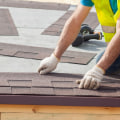
This article will provide a detailed breakdown of various materials, their costs, and additional factors that influence these costs. There are several types of roofing materials available, each with its own unique benefits and drawbacks. One of the most common choices is This article will provide a detailed breakdown of various materials, their costs, and additional factors that influence these costs. There are several types of roofing materials available, each with its own unique benefits and drawbacks. One of the most common choices is asphalt shingles. These shingles are popular due to their affordability, typically ranging from $90 to $100 per square (100 square feet). They are relatively easy to install, which can help to keep labor costs down.
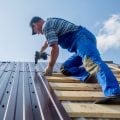
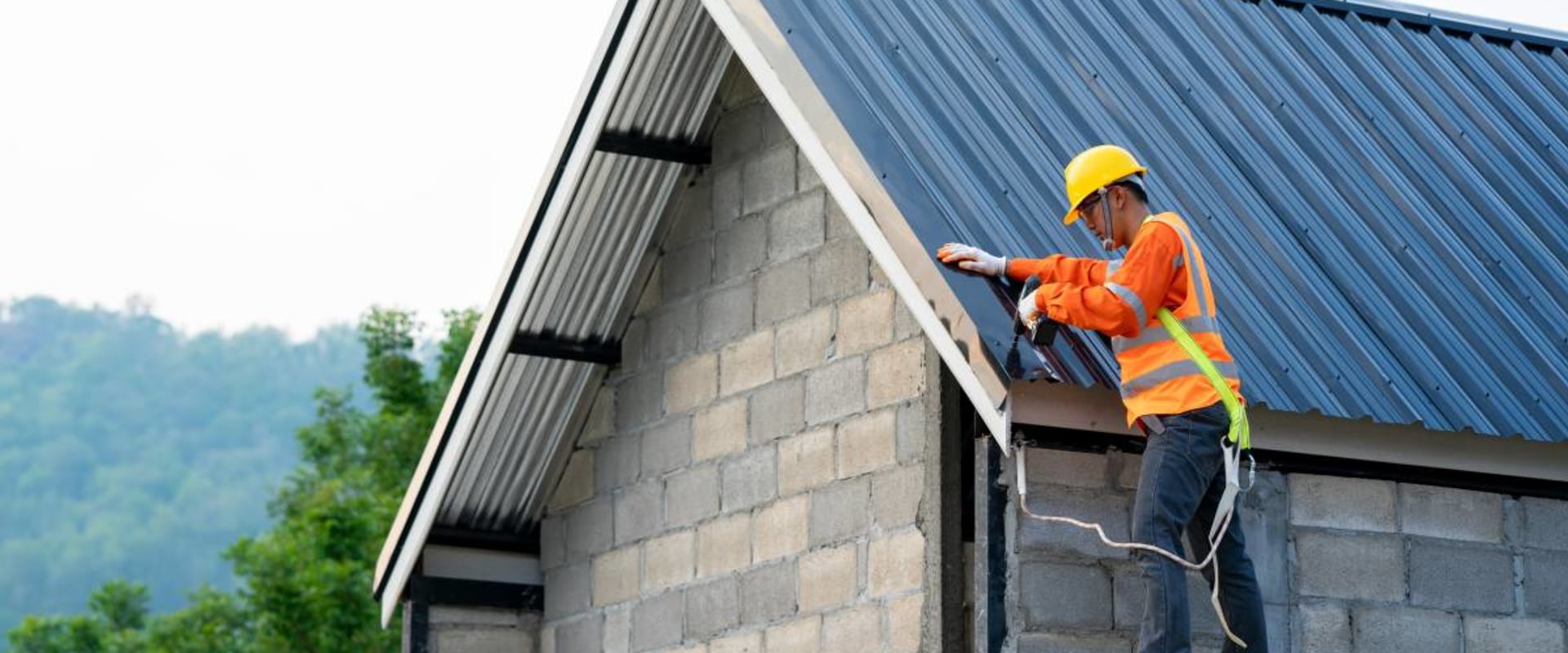
However, while they may last around 20 years with proper maintenance, they require periodic inspections and potential repairs, especially in harsh weather conditions. Another option is metal roofing, which has gained popularity in recent years due to its durability and energy efficiency. Metal roofs can range from $250 to $700 per square, depending on the type of metal used, such as steel, aluminum, or copper. These roofs can last 40-70 years with minimal maintenance, making them an excellent long-term investment. However, installation costs can be higher due to the specialized skills required for proper installation.
Metal roofs are particularly suitable for areas with heavy snowfall or extreme temperatures as they shed snow easily and reflect heat.
Tile roofing
is another option that offers a distinctive aesthetic appeal. Clay or concrete tiles can cost between $300 and $1,000 per square but can last over 50 years with minimal maintenance. The weight of tile roofs often requires additional structural support, which can add to installation costs. Tile roofing is ideal for warmer climates where they provide excellent insulation and protection against heat.Flat roofs
, often made of materials like TPO or EPDM rubber, are common in commercial buildings but are also used in residential settings.The cost for flat roofing typically ranges from $200 to $400 per square. While flat roofs are easier to install than sloped roofs, they require regular maintenance to prevent leaks and standing water issues. When considering the cost of roofing materials, it's also essential to factor in installation methods and labor costs, which can vary significantly depending on the material chosen. For example, while asphalt shingles may have a lower upfront cost, their installation might be less labor-intensive compared to metal or tile roofs that require more specialized skills and additional time. Moreover, certain materials might be more suitable for specific climates or architectural styles. For example, a Mediterranean-style home may benefit from tile roofing that complements its aesthetic, while a modern home could look striking with a sleek metal roof.
Understanding these nuances can help homeowners make informed decisions that enhance their property's value. Additionally, hidden costs often arise during installation that can impact the overall budget significantly. Homeowners may need to consider the removal of old roofing materials, which could add $100 to $150 per square. Furthermore, necessary repairs to the underlying structure could also arise if water damage or rot is discovered during the installation process. There are also common misconceptions regarding cheap materials. While opting for lower-cost options may seem financially prudent initially, it’s essential to recognize that quality materials often represent a long-term investment.
Cheaper materials can lead to more frequent repairs and replacements over time, ultimately costing more in the long run. Regional variations in material costs and availability should also be considered when planning a roofing project. Prices can fluctuate based on local supply chains and market demand. Therefore, sourcing materials from reliable suppliers is critical to ensure quality and consistency in pricing. In conclusion, understanding the various types of roofing materials available and their associated costs is vital for making informed decisions regarding roofing projects. By weighing factors such as durability, maintenance needs, installation methods, and hidden costs, homeowners can choose the best material suited for their budget and specific needs.
Installation Costs and Labor Considerations
When embarking on a roofing project, it is essential to grasp how installation costs can vary significantly based on the material chosen.Different roofing materials come with their own unique installation requirements, which can affect the overall labor costs. For instance, materials such as asphalt shingles are generally less expensive to install compared to more complex options like slate or metal roofing. This is primarily due to the specialized skills and tools required for the latter. The complexity of the job also plays a crucial role in determining installation costs. A straightforward, single-story roof may incur lower labor expenses than a multi-story home with intricate architectural features or steep pitches.
Additionally, if the existing roofing material needs to be removed before new installation, this will add to the overall labor costs. Local labor rates can further influence installation costs. Regions with a high demand for roofing services may experience increased labor prices due to competition for skilled workers. Homeowners should research local rates and obtain multiple quotes from contractors to ensure they receive fair pricing. To get accurate estimates for your roofing project, homeowners should consider the following tips: First, clearly communicate your material preferences and project specifics to contractors. Second, ask for detailed estimates that break down both material and labor costs.
Lastly, consider scheduling consultations during off-peak seasons when contractors may offer competitive pricing.
Finding Reliable Contractors
When embarking on a roofing project, finding reliable contractors is essential to ensure that you receive quality work and fair pricing. Start by seeking recommendations from friends, family, or neighbors who have recently had roofing work done. Their firsthand experiences can provide valuable insights into trustworthy professionals. Next, utilize online resources to research potential contractors. Websites such as Angie's List, Yelp, or HomeAdvisor offer reviews and ratings from previous clients, helping you gauge the reliability of different contractors.Pay attention to both positive and negative feedback, as this will give you a well-rounded view of their services. Once you have a shortlist of contractors, make sure to check their credentials. Verify that they are licensed and insured in your state, as this not only protects you but also indicates a level of professionalism. Additionally, ask for references and follow up with previous clients to inquire about their experiences regarding material selection and installation. During the initial consultations, communicate openly about your budget and material preferences. A trustworthy contractor will listen to your needs and provide transparent pricing options without hidden fees.
Don't hesitate to ask for a detailed estimate that breaks down the costs associated with materials and labor. Finally, trust your instincts. If a contractor seems evasive or unwilling to provide necessary information, it may be best to look elsewhere. Finding the right contractor can significantly influence the quality of your roofing project and help you manage material costs breakdown effectively.
Types of Roofing Materials and Their Costs
When it comes to roofing projects, choosing the right materials is crucial for both the longevity of the roof and the overall budget. Below, we break down some of the most common types of roofing materials, outlining their average costs per square foot, advantages, disadvantages, and typical lifespan.Asphalt Shingles
: Asphalt shingles are one of the most popular roofing materials due to their affordability and ease of installation.The average cost ranges from $90 to $100 per square. Advantages include a wide variety of colors and styles, while disadvantages can include a shorter lifespan of 15-30 years compared to other materials.
Metal Roofing
: Metal roofs have gained popularity for their durability and energy efficiency. The average cost per square foot is between $120 and $900, depending on the type of metal. Advantages include a lifespan of 40-70 years and resistance to extreme weather.However, they can be more expensive upfront, and installation can be complex.
Clay Tiles
: Clay tiles are renowned for their aesthetic appeal and longevity. They typically cost between $300 and $600 per square foot. Advantages include a lifespan exceeding 50 years and excellent fire resistance. However, they are heavy, requiring additional structural support, and can be more costly to install.Slate Roofing
: Slate is a premium roofing material known for its beauty and durability, with costs ranging from $600 to $1,500 per square foot.Advantages include a lifespan of over 100 years and minimal maintenance needs. On the downside, slate is heavy and expensive, making installation cost-prohibitive for some homeowners.
Wood Shingles
: Wood shingles offer a natural look and can cost between $200 and $400 per square foot. They provide good insulation and can last 25-30 years with proper maintenance. However, they are susceptible to rot and insect damage, which can shorten their lifespan. Understanding the material costs breakdown of these roofing options will help homeowners make informed decisions based on their budget and needs.Maintenance and Long-term Costs
Understanding material costs in roofing projects is not just about the initial investment; it's also crucial to consider the maintenance and long-term costs associated with different roofing materials.Each type of roofing material comes with its own set of maintenance requirements, which can significantly impact the total cost over the lifespan of the roof. For instance, asphalt shingles are popular due to their affordability, but they typically require more frequent maintenance than other materials. Regular inspections and timely repairs are essential to extend their lifespan, which can ultimately affect long-term costs. In contrast, metal roofs, while initially more expensive, are known for their durability and low maintenance needs. They usually require little more than occasional cleaning to remove debris and prevent rust, making them a cost-effective option in the long run. Tile roofs are another durable option; however, they can be heavy and may require additional structural support. While they are long-lasting and offer excellent resistance to weather elements, any broken tiles need to be replaced promptly to maintain their effectiveness.
On the other hand, wood shingles require regular maintenance, including cleaning, sealing, and treating for pests or rot. While they can provide an aesthetically pleasing look, neglecting their upkeep can lead to higher long-term costs. To ensure the longevity of your roof and minimize long-term costs, consider the following tips for maintaining each type of roof:
- Asphalt Shingles: Schedule regular inspections at least twice a year and after severe weather events. Keep gutters clean to prevent water damage.
- Metal Roofs: Regularly inspect for rust or loose fasteners. Clean surfaces with a mild detergent solution to prevent dirt buildup.
- Tile Roofs: Inspect tiles for cracks or damage and replace them as needed.
Ensure proper drainage to avoid water pooling.
- Wood Shingles: Treat wood with preservatives and check for signs of rot or insect damage regularly.