When it comes to roofing, ensuring a solid foundation is just as important as the final layer of shingles. One of the most critical, yet often overlooked, aspects of a successful roof installation is the process of Installing underlayment and flashing. These two components play a vital role in safeguarding your home from water damage, leaks, and structural issues. Additionally, to protect your roof effectively, it’s essential to Properly Install Rain GuttersProperly Install Rain Gutters as part of your overall roofing project.
Understanding the essential steps for underlayment and flashing installationunderlayment and flashing installation will not only enhance the longevity of your roof but also provide you with peace of mind during inclement weather. Whether you're a seasoned contractor or a DIY enthusiast, mastering the art of proper installation techniques is crucial. The right underlayment creates a protective barrier, while expertly installed flashing directs water away from critical areas, preventing potential disasters. In this article, we will guide you through the essential steps for underlayment and flashing installation, ensuring that your roofing project stands strong against the elements. Dive in to discover practical tips, best practices, and common pitfalls to avoid as you take your roofing skills to the next level!Installing underlayment and flashing is a crucial aspect of the roofing process, ensuring that your roof remains durable and water-resistant.
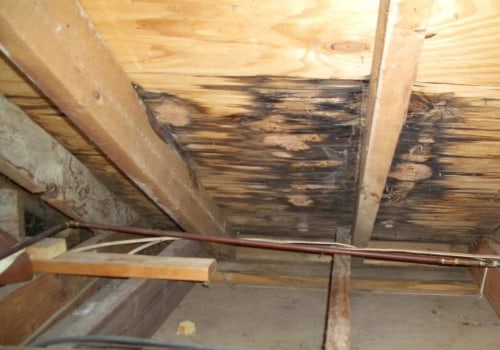
These components serve as essential barriers against moisture, contributing significantly to the overall protection of your home. Without proper installation, homeowners can face numerous issues, such as leaks, mold growth, and premature roof deterioration, leading to costly repairs. When it comes to underlayment, there are primarily two types of materials used: felt and synthetic. Felt underlayment is made from organic or fiberglass matting saturated with asphalt. Its advantages include affordability and ease of installation.
However, it is heavier than synthetic options and may deteriorate faster when exposed to moisture over time. On the other hand, synthetic underlayment is made from polyethylene or polypropylene, making it lighter, more durable, and resistant to tearing and water absorption. While it may come at a higher cost initially, its longevity and performance often make it a worthwhile investment. The choice between felt and synthetic underlayment largely depends on your climate and roofing material. For instance, in areas prone to heavy rainfall or snow, synthetic underlayment is recommended due to its superior water resistance.
Conversely, in drier climates where the risk of moisture is lower, felt underlayment might suffice. Additionally, when using metal roofing, synthetic materials are preferable for their lightweight properties and better moisture management. The installation process for underlayment begins with preparing the roof deck by ensuring it is clean and free from debris. Essential tools required for this task include a utility knife, measuring tape, roofing nails or staples, and a hammer or nail gun. Begin by rolling out the underlayment horizontally across the roof deck, overlapping each row by at least 4 inches to create a watertight seal.
Secure the underlayment with nails or staples every 12 inches along the overlaps and edges. It is vital to wear safety gear during installation, including gloves and a hard hat, as working on roofs poses significant safety risks.
Flashing
plays an equally important role in roofing by preventing water penetration at critical points such as roof edges, chimneys, and valleys. Proper installation of flashing is essential to directing water away from vulnerable areas of the roof structure. There are several types of flashing used in roofing: step flashing, continuous flashing, and valley flashing.Step flashing is typically used around chimneys or walls where the roof meets vertical surfaces; it consists of rectangular pieces that interlock with shingles to create a barrier against water ingress. Continuous flashing is a long strip that runs along the roof's edge or valleys, providing an uninterrupted water shield. The installation method for step flashing involves placing each piece beneath the shingles while ensuring they overlap adequately to channel water away from seams. For continuous flashing, it should be secured along the edge where the roof meets a wall or chimney and integrated with the shingles above it to ensure water flows over it rather than underneath. Improper installation of either underlayment or flashing can lead to significant issues down the line. For example, if step flashing is not installed correctly around a chimney, water can seep behind the flashing into the home’s interior, causing mold growth and structural damage.
Similarly, if underlayment isn’t overlapped sufficiently or secured properly, it can allow water infiltration during heavy rain or snowmelt. During the installation process, some challenges may arise, such as windy conditions that can make handling underlayment difficult or misalignment of flashing. To troubleshoot these issues, consider using temporary weights to hold down underlayment in windy weather and double-checking all measurements before securing flashing. Consulting with roofing professionals can also provide valuable insights into best practices and common pitfalls in underlayment and flashing installation. In conclusion, understanding the significance of proper underlayment and flashing installation cannot be overstated. With careful selection of materials based on climate conditions and meticulous attention to detail during installation, homeowners can protect their roofs effectively and avoid potential costly repairs.
Understanding Flashing: Purpose and Types
Flashing is a crucial component in roofing that serves as a protective barrier against water infiltration.It is typically made from materials such as metal, plastic, or rubber and is installed in areas where the roof meets vertical surfaces or where different roof sections intersect. By directing water away from vulnerable areas, flashing plays a vital role in maintaining the integrity of the roof and preventing leaks that can lead to significant damage. The importance of flashing cannot be overstated. Without it, water can seep into seams and joints, potentially causing rot, mold growth, and structural damage. Proper installation of flashing ensures that your roof remains watertight and extends its lifespan, providing peace of mind for homeowners. There are several types of flashing available, each designed for specific applications:
- Step flashing: Typically used at roof-to-wall intersections, this type consists of individual pieces that are layered to create a watertight seal.
- Continuous flashing: A single piece of metal that runs along the length of a roof edge or valley, continuous flashing provides robust protection against water entry.
- Base flashing: Installed at the base of walls or chimneys, base flashing directs water away from these vulnerable areas.
- Counter flashing: This type is placed over step flashing and is often used in conjunction with masonry walls to prevent water from entering behind the wall.
Selecting the right type based on your roof’s specific design and environmental factors can significantly enhance your home’s protection against water damage.
Common Mistakes to Avoid
When it comes to installing underlayment and flashing, even experienced DIYers can make mistakes that compromise the integrity of the roof. Here are some frequent errors and tips on how to prevent them:1.Inadequate Preparation: Before installation, ensure that the roof deck is clean and dry. Failing to remove debris can lead to moisture retention and mold growth. Always inspect for damaged areas that may need repair before laying down underlayment.2.Incorrect Underlayment Installation:
Overlapping seams incorrectly is a common mistake.Make sure to follow manufacturer guidelines for overlap to ensure proper water drainage and prevent leaks. Additionally, ensure that the underlayment is installed with the right side facing up.
3.Skipping Flashing in Critical Areas:
Flashing is essential at roof valleys, around chimneys, and along the eaves. Neglecting these areas can lead to significant water damage. Always install flashing wherever there are penetrations or changes in the roofline.4.Using the Wrong Fasteners:
Using fasteners not recommended by the manufacturer can result in failures during severe weather.Always use the specified type of nails or staples that are designed for the materials you are working with.
5.Poor Sealing of Joints:
A common oversight is not properly sealing joints between flashing and roofing materials. Use quality roofing sealant or caulk to ensure these areas are watertight.6.Ignoring Local Building Codes:
Many homeowners overlook local regulations regarding roofing installation. Familiarize yourself with these codes before starting your project to avoid potential legal issues and ensure your roof meets safety standards. By being aware of these common mistakes, you can significantly improve the effectiveness of your underlayment and flashing installation, leading to a more durable and water-resistant roof.Flashing Installation Techniques
Flashing is a crucial component in roofing that provides an additional layer of protection against water intrusion. Proper installation techniques vary depending on the type of flashing being used.Below are some essential steps for installing different types of flashing effectively.
1.Step Flashing
: This type of flashing is commonly used around chimneys and walls. Begin by cutting the step flashing pieces to fit the slope of the roof. Place the first piece of step flashing over the lower edge of the roof, ensuring it overlaps the shingles below. Secure it with roofing nails, then install the next piece of step flashing on top of the first, ensuring it overlaps adequately.Repeat this process up the wall or chimney.
2.Continuous Flashing
: Continuous flashing is often used along eaves and valleys. Start by measuring and cutting a strip of flashing that extends at least 6 inches beyond the edge of the roof. Position it under the shingles at the eave, securing it with nails. Ensure that the upper edge is tucked under the shingles above to direct water away from the roof and into the gutters.3.Valley Flashing
: When installing valley flashing, begin by cutting a piece of flashing that is wide enough to extend over both sides of the valley.Lay it in place and ensure it fits snugly against both roof sections. Secure it with nails along the edges, and make sure that shingles are placed over the flashing to direct water down into the valley.
4.Pipe Flashing
: For vent pipes, use pre-formed pipe flashing. Slide the flashing over the pipe and secure it to the roof with nails. Ensure that you apply roofing sealant around the base to prevent any leaks.Make sure shingles are cut to fit around the base of the pipe flashing for added protection. By following these installation techniques for various types of flashing, homeowners can significantly reduce the risk of water damage and ensure their roofs remain durable and secure.
Types of Underlayment Materials
When it comes to roofing, choosing the right underlayment material is crucial for ensuring long-lasting protection and performance. There are several types of underlayment materials available, each with its own unique benefits and ideal usage scenarios.1.Asphalt-Saturated Felt
is one of the most traditional underlayment options. Made from felt paper that is saturated with asphalt, this material is known for its water resistance and durability. It is commonly used in residential roofing projects and is suitable for both steep and low-slope roofs.However, it can be prone to tearing and may not be the best choice for areas with extreme weather conditions.
2.Synthetic Underlayment
has gained popularity in recent years due to its lightweight nature and superior performance. This type of underlayment is made from polypropylene or polyethylene and offers excellent water resistance, tear strength, and UV protection. It is ideal for both steep and low-slope roofs, making it a versatile choice for various roofing applications.3.Rubberized Asphalt Underlayment
provides an added layer of protection against water infiltration. This material features a sticky underside that adheres directly to the roof deck, which helps to seal any potential leaks.It is particularly beneficial in areas that experience heavy rainfall or snow loads, making it an excellent option for climates with harsh weather conditions.
4.Peel-and-Stick Underlayment
combines convenience with performance. This self-adhesive material simplifies installation by eliminating the need for nails or staples. It is particularly effective in preventing water damage in vulnerable areas such as eaves, valleys, and around chimneys. Peel-and-stick underlayment is ideal for homeowners looking for a quick and reliable solution to enhance their roof's water resistance.5.Foam Underlayment
is often used in conjunction with metal roofs to provide insulation and noise reduction.While it may not offer the same level of moisture protection as other types, it can significantly improve the overall comfort of a home by reducing heat transfer and sound transmission. In summary, selecting the right underlayment material is essential for maximizing the effectiveness of your roofing system. Each type of underlayment serves a specific purpose and should be chosen based on your roofing needs, local climate conditions, and personal preferences.
Step-by-Step Underlayment Installation
Installing underlayment is a crucial step in the roofing process, as it acts as a protective barrier between the roof deck and the roofing material. Below is a detailed guide on how to properly install underlayment, ensuring your roof remains durable and water-resistant.Tools Required:
- Utility knife
- Measuring tape
- Stapler or roofing nails
- Hammer or nail gun
- Safety goggles
- Gloves
- Always wear safety goggles and gloves to protect yourself from sharp tools and materials.
- Use a sturdy ladder and ensure it is placed on stable ground.
- Work with a partner when installing underlayment on steep roofs to enhance safety.
- Prepare the Roof Deck: Ensure that the roof deck is clean, dry, and free of any debris. Check for any damages that need repair before proceeding.
- Measure and Cut the Underlayment: Measure the length of the roof area that needs covering.
Roll out the underlayment and cut it to size using a utility knife, allowing for an overlap at the seams.
- Lay the First Row: Start from the eaves and roll out the first sheet of underlayment horizontally across the roof. Make sure it extends over the edge of the roof by at least 1-2 inches.
- Secure the Underlayment: Use a stapler or roofing nails to secure the underlayment to the roof deck, spacing fasteners about 12 inches apart along the edges and in the field.
- Add Overlapping Rows: For subsequent rows, overlap each sheet by at least 4 inches to ensure proper water shedding. Secure these rows in the same manner as the first.
- Check for Proper Installation: Ensure that all seams are properly overlapped and fastened securely. Inspect for any wrinkles or bubbles that could compromise water resistance.
Properly installed underlayment provides a protective barrier against moisture, while effective flashing directs water away from vulnerable areas, preventing leaks and structural damage. We also discussed various types of underlayment materials and flashing installation techniques, along with common mistakes to avoid during the installation process. It is clear that neglecting these components can lead to significant issues for homeowners, such as leaks and costly repairs. Therefore, we strongly encourage you to prioritize the installation of underlayment and flashing as part of your roofing project. If you find yourself uncertain about the DIY approach, seeking professional assistance can ensure that your roof remains protected and lasts for years to come.