Your roof is one of the most critical components of your home, providing protection from the elements and enhancing your property's overall aesthetic. However, over time, it can become a breeding ground for moss and algae, which not only detracts from its appearance but can also lead to significant structural damage if left untreated. These pesky organisms thrive in damp and shaded areas, turning your once pristine roof into a patchwork of green and black stains. Fortunately, there are effective moss and algae removal methodsmoss and algae removal methods that can restore your roof’s integrity and beauty. Understanding how to tackle these unwanted guests is essential for any homeowner looking to maintain their roof's longevity.
In this article, we will explore various techniques and products that can help you effectively banish moss and algae from your roof. From environmentally friendly solutions to more traditional methods, we will provide you with the knowledge you need to choose the right approach for your specific situation. Get ready to take the first step toward a cleaner, healthier roof!Maintaining a clean roof is essential for the longevity and performance of your roofing materials. One of the significant threats to roof integrity is the growth of moss and algae.
These organisms can cause serious damage, including deterioration of shingles, increased moisture retention leading to leaks, and even structural issues if left untreated. Understanding how these organisms thrive in certain conditions—such as shaded areas with high humidity—can help homeowners be proactive in their removal efforts. There are several effective moss and algae removal methods available, each with its own set of advantages and disadvantages. The first method is manual scraping. This involves using a stiff-bristle brush or a scraper to physically remove the moss and algae from the roof surface.
While this method is labor-intensive, it is one of the safest options for your roofing materials. However, it requires caution to avoid damaging shingles, especially if they are older or more fragile. When using this method, it’s important to work from the top of the roof downwards to prevent debris from falling onto cleaned areas. Another common approach is using chemical treatments specifically designed for moss and algae removal. These products often contain ingredients like sodium hypochlorite or potassium salts of fatty acids.
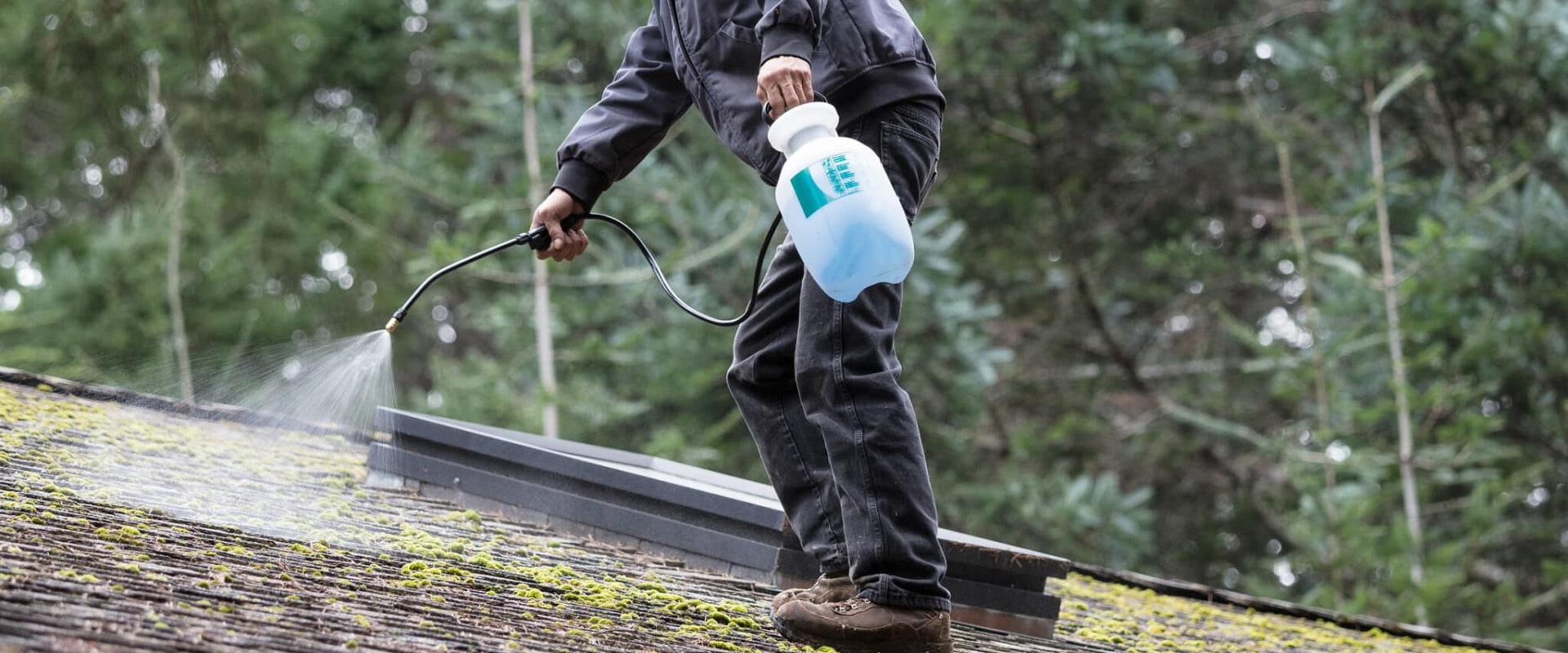
They are generally effective at killing moss and algae upon contact, and many come in convenient spray bottles for easy application. However, homeowners should be aware that these chemicals can be harsh on the environment and may also damage nearby plants if not carefully applied. It’s crucial to follow the manufacturer’s instructions regarding dilution rates and application techniques. Safety precautions such as wearing gloves, goggles, and masks should also be observed to protect oneself from fumes and skin contact. For those looking for eco-friendly alternatives, there are natural solutions available for removing moss and algae.
One popular homemade solution consists of mixing equal parts of water and white vinegar or baking soda with water. Vinegar, due to its acetic acid content, can effectively kill moss and algae without harming your roof's surface. To apply this solution, simply spray it onto the affected areas and let it sit for at least 30 minutes before rinsing with water. Keep in mind that while this method is generally safer for the environment, it may require multiple applications for severe infestations. When selecting a moss and algae removal method, it’s also important to consider the type of roofing material you have.
For instance, asphalt shingles are relatively durable but can be damaged by harsh chemicals; therefore, gentle methods like manual scraping or natural solutions may be best. On the other hand, metal roofs may tolerate chemical treatments better but should still be rinsed thoroughly to prevent any residue buildup that could lead to corrosion over time. Regardless of the method chosen, regular maintenance is key to preventing regrowth of moss and algae. Establishing a cleaning schedule based on your geographical location and weather conditions is advisable. For instance, homeowners in humid climates may need to perform cleaning every six months, while those in drier areas might only need to do so once a year.
Additionally, trimming back overhanging branches can help reduce shade and moisture buildup on your roof. Ultimately, taking proactive steps to manage moss and algae on your roof will not only enhance its appearance but also extend its lifespan and protect your home from costly repairs down the line. By understanding the various removal methods available, weighing their pros and cons, and implementing a regular maintenance schedule tailored to your specific circumstances, you can ensure your roof remains clean and functional for years to come.
Preventive Measures
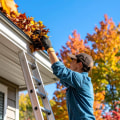
To effectively combat moss and algae growth on your roof, it is crucial to implement preventive measures that minimize the conditions conducive to their development. One of the primary strategies is to trim overhanging branches. By doing so, you allow more sunlight to reach your roof, which helps keep it dry and less hospitable for these organisms.Additionally, reducing shade from trees can significantly lower moisture retention on the roof surface. Another important aspect of prevention is improving roof ventilation. Proper ventilation helps regulate temperature and reduces humidity levels in the attic space. When roofs are well-ventilated, they dry more quickly after rain or dew, creating an unfavorable environment for moss and algae growth. Ensure that your roof has adequate vents and that they are not obstructed by insulation or debris. Regular maintenance tasks, such as cleaning gutters and downspouts, can also play a vital role in preventing water buildup, which encourages moss and algae proliferation.
By ensuring that water flows freely away from your roof, you reduce the chances of moisture pooling and creating a breeding ground for these unwanted organisms. Lastly, consider applying a protective treatment or roof coating designed to inhibit the growth of moss and algae. These products can provide an extra layer of defense against future infestations, prolonging the life of your roofing materials.
When to Call a Professional
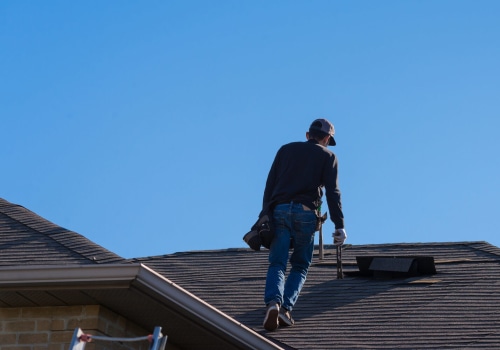
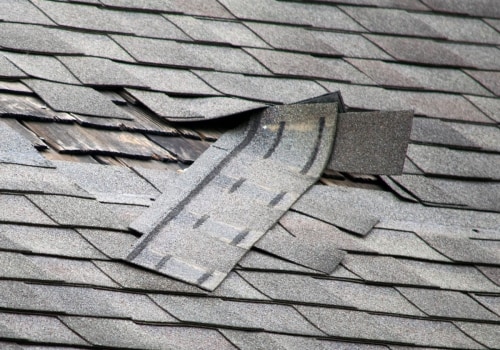
While many homeowners can tackle minor moss and algae removal methods on their roofs, there are certain situations where it is advisable to consult a professional. Recognizing these circumstances can save you time, money, and potential safety hazards. If the moss and algae growth is extensive or covers a large portion of your roof, it may be time to call in an expert. Professionals have access to specialized equipment and safe cleaning solutions that can effectively remove these organisms without damaging your roofing materials. Additionally, if you notice signs of damage, such as missing shingles, leaks, or water stains inside your home, it is crucial to contact a roofing specialist.These issues may indicate that the moss or algae has caused structural problems that need immediate attention. Safety should also be a major concern. If you are uncomfortable working at heights or lack the proper safety gear, hiring a professional is the safest option. They are trained to handle roofs safely and can minimize the risk of accidents. Lastly, consider the age of your roof. Older roofs may require more delicate handling, and a professional can assess whether cleaning or replacement is the best course of action.
In summary, when faced with extensive growth, signs of damage, safety concerns, or an aging roof, calling a professional is recommended for effective and safe moss and algae removal methods.
Natural Solutions
When it comes to moss and algae removal methods, many homeowners are increasingly looking for eco-friendly options that are safe for both their roofs and the environment. Two of the most effective natural solutions are vinegar and baking soda, both of which can be found in most households.Vinegar
is a powerful natural herbicide that can effectively kill moss and algae. Its acetic acid content disrupts the cellular structure of these organisms, ultimately leading to their demise. To use vinegar for moss and algae removal, mix equal parts of water and white vinegar in a spray bottle.Spray the affected areas generously, ensuring that the mixture soaks into the moss or algae. After about 30 minutes, you can scrub the area with a brush and rinse it off with water. This method not only cleans your roof but also helps prevent regrowth.
Baking soda
is another excellent option for tackling moss and algae. It works by altering the pH level of the surface, creating an inhospitable environment for these organisms.To apply baking soda, mix one cup of baking soda with a gallon of water to create a solution. Pour this mixture over the affected areas, ensuring even coverage. Allow it to sit for several hours before scrubbing with a brush and rinsing with water. The gentle abrasive nature of baking soda helps lift away stubborn moss and algae without damaging your roofing material. Both vinegar and baking soda are not only effective but also affordable solutions that align with a sustainable approach to roof maintenanceroof maintenance.
By utilizing these natural options, homeowners can keep their roofs clean while minimizing their environmental impact.
Chemical Treatments
When it comes to removing moss and algae from your roof, chemical treatments are among the most effective solutions available. These products are specially formulated to kill and inhibit the growth of these unwanted organisms, ensuring a thorough cleaning and prolonging the lifespan of your roofing materials. There are several types of chemical solutions on the market, including bleach-based cleaners, oxygen bleach, and proprietary moss and algae removers. Each type has its own set of benefits and application methods.Bleach-based cleaners
are popular due to their effectiveness in killing moss and algae quickly. When using these products, it is crucial to dilute them according to the manufacturer's instructions to avoid damaging your roof.Apply the solution generously to the affected areas and allow it to sit for a specified time before rinsing it off with water.
Oxygen bleach
is a gentler alternative that is less harmful to surrounding plants and the environment. It works by breaking down organic material and can be used in a similar manner as bleach-based solutions. Mix the powder with water, apply it to the roof, and let it sit before rinsing. Proprietary moss and algae removers often contain a combination of chemicals designed specifically for roofing materials. These products can be very effective but may come with specific application instructions that must be followed closely.Typically, you would spray the solution onto the affected areas, allow it to work for a set period, and then rinse. Safety is paramount when using any chemical treatments. Always wear protective gear such as gloves, goggles, and masks to prevent exposure to harsh chemicals. Additionally, cover nearby plants and landscaping to shield them from potential damage. In conclusion, while chemical treatments can effectively remove moss and algae from your roof, it is essential to choose the right product for your needs and apply it safely to protect both yourself and your home.
Manual Removal Techniques
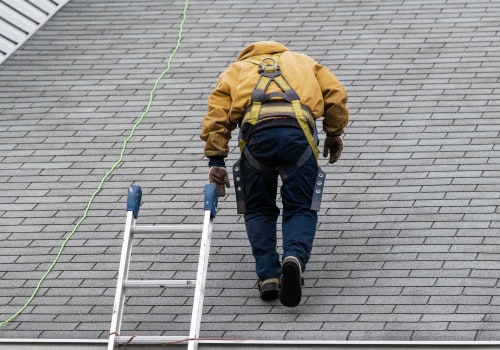
Manual removal of moss and algae is one of the most effective ways to keep your roof clean and prevent damage. By taking a hands-on approach, homeowners can ensure that these organisms are thoroughly eliminated from their roofing materials. To begin, gather the appropriate tools for the job.You will need a stiff-bristled brush or a squeegee, a scraper or putty knife, a ladder, and safety gear including gloves and goggles. It’s essential to ensure that your ladder is stable and placed on a flat surface to prevent accidents while working at heights. Once you have your tools ready, carefully ascend the ladder, ensuring you have someone to assist you if possible. Start at the peak of your roof and work your way down. This method helps prevent water and debris from falling onto areas you’ve already cleaned. Using the stiff-bristled brush, gently scrub the affected areas to loosen the moss and algae.
Be careful not to damage your roofing materials; too much force can dislodge shingles or cause scratches. After loosening the growth, use your scraper or putty knife to carefully lift and remove the moss and algae. Dispose of the removed material in a bucket or bag to avoid it blowing back onto the roof. For safety, avoid working on your roof during wet conditions or windy weather, as these can increase the risk of slips and falls. If you feel uncomfortable with heights or the task itself, consider hiring a professional who specializes in roof cleaning. Once you've completed the manual removal process, it’s a good idea to rinse the area with water to wash away any remaining debris.
This not only helps to clean the roof but also ensures that any residual spores are washed away, reducing the chance of regrowth. In conclusion, while manual removal techniques require effort and caution, they are an effective way to maintain your roof's integrity and appearance. Regular maintenance will help prevent future issues related to moss and algae growth. In conclusion, maintaining a clean roof is essential for preventing damage caused by moss and algae. These organisms can compromise the integrity of your roofing materials, leading to costly repairs and potential leaks. By employing the various moss and algae removal methods discussed, you can effectively protect your home from the adverse effects of these growths. We encourage homeowners to take action and implement these techniques, whether through manual removal, chemical treatments, or natural solutions.
Additionally, being proactive with preventive measures will significantly reduce the chances of moss and algae returning. Remember, a well-maintained roof not only enhances the aesthetic appeal of your home but also contributes to its overall longevity and value. If the task feels overwhelming, don't hesitate to call a professional for assistance. The long-term benefits of a clean roof far outweigh the effort involved in its maintenance.